Grow it, then eat it
Independent, tested guides to sprouting, microgreens, and the equipment that makes whole food worth growing at home.
As an Amazon Associate this site earns from qualifying purchases. Links to products may be affiliate links. This costs you nothing extra and does not change what gets recommended. Nothing here is medical advice.
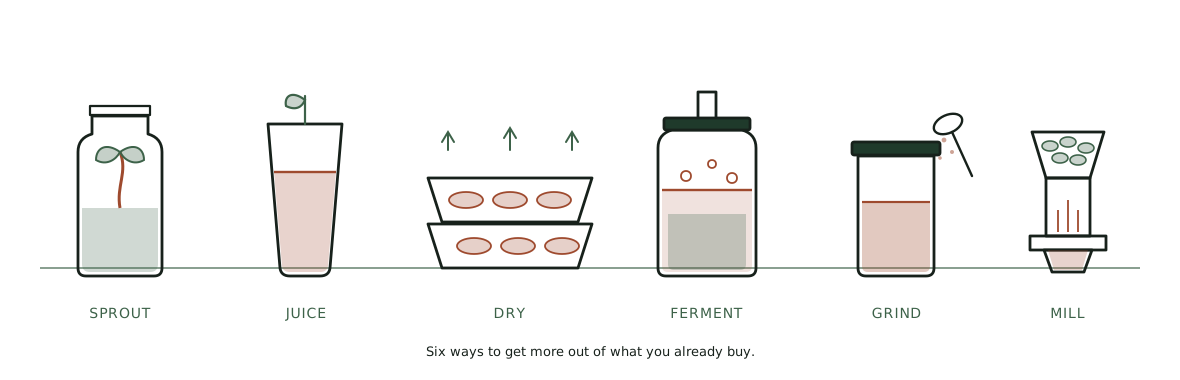
Every guide here is written to be used in a kitchen rather than skimmed. Each one carries the numbers, the failure modes, and the honest downside, because the parts people leave out are the parts that decide whether it works.
Dehydrating and Preserving at Home
The four variables that decide every batch, the conditioning step almost everyone skips, and how to store dried food so it lasts years rather than months.
Fermenting Vegetables at Home
One jar of cabbage teaches the whole method: two percent salt, everything submerged, room temperature, and time.
Cold Press and Juicing at Home
How to build a vegetable-led juice, choose a machine that cleans in two minutes, and get more glass from the same produce.
Milling Your Own Flour at Home
Whole grain keeps for years and fresh flour does not, which is the entire argument for owning a mill rather than a bag.
Superfood Powders, Made and Bought
Make the powders you can from food you already dry, buy the few you cannot, and read the labels on the rest with a clear head.
Sprouting and Microgreens at Home
What germination changes, the safety question most guides skip, and the three ways to run a batch at home.
Start here
If you have never sprouted anything, begin with mung beans start to finish. It is a four day cycle, it costs almost nothing, and it teaches you what a healthy jar smells like before you work with a seed that punishes mistakes.
The site is named for my grandfather, Pietro Agro, who farmed in Sicily and called all of this Tuesday.