Hub
Milling Your Own Flour at Home
Whole grain keeps for years and fresh flour does not, which is the entire argument for owning a mill rather than a bag.
As an Amazon Associate this site earns from qualifying purchases. Links to products may be affiliate links. This costs you nothing extra and does not change what gets recommended. Nothing here is medical advice.
Start with five hundred grams of wheat berries.
Mill them fine, weigh out four hundred grams of the flour, add three hundred and twenty grams of water and eight grams of salt, and make a loaf however you normally would. Then make the same loaf next week with shop flour and taste them side by side.
That is the five hundred gram bake, and it is the example this hub is built around. One variable changed, one comparison made, and it answers the question of whether milling is worth doing better than any argument on this page.
Home milling has a reputation as a fringe pursuit. The practical case for it is simpler than the enthusiasm around it suggests, and it rests on one fact about how grain is built.
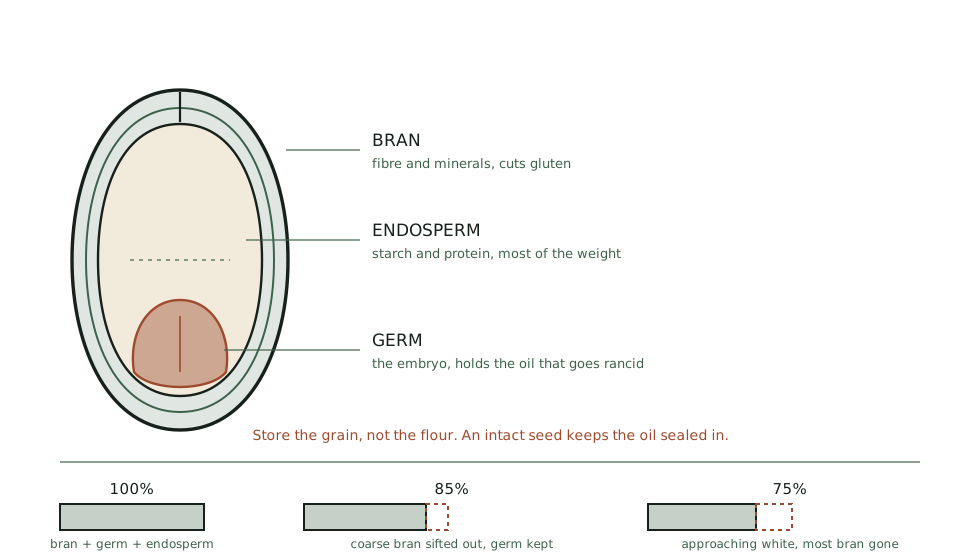
What a grain is made of
A wheat berry has three parts, and understanding them explains everything else in this hub.
The bran is the outer layers. Fibre, minerals, and the pigment that makes wholemeal brown. It is tough, and its sharp particles interfere with gluten development, which is why wholemeal loaves are denser than white ones.
The germ is the embryo. It contains oil, vitamin E, and a concentration of the enzymes the seedling would have used. It is roughly two to three percent of the grain by weight and a much larger share of its nutritional interest.
The endosperm is the food store for that embryo. Starch and protein, making up the large majority of the grain, and it is what white flour is.
That is the whole picture, and one consequence follows from it directly.
Why commercial white flour exists
The germ contains oil, and oil goes rancid.
Whole grain flour therefore has a short shelf life, measured in weeks rather than months, because the moment the germ is broken open its oil begins oxidising. This is not a modern problem. It is why roller milling, which separates the bran and germ from the endosperm, transformed commercial baking.
White flour keeps for a year or more because the perishable part has been removed. That is a genuine engineering solution to a genuine problem, and it also removes most of what makes flour interesting.
The home miller's answer is different. Store the grain rather than the flour.
Whole wheat berries keep for years in a cool dry place, because the germ is sealed inside an intact seed. Mill what you need and the perishability question disappears.
That is the argument in full. Not that fresh flour is magical, but that milling puts you on the right side of a storage problem rather than working around it.
What fresh flour is actually like
Being specific rather than enthusiastic, since the difference is real and frequently oversold.
It smells and tastes different. Fresh wholemeal is sweeter and nuttier than the equivalent bag. Rye and spelt more so. This is the most immediate and least arguable difference.
It absorbs more water. Fresh whole flour takes noticeably more hydration than shop flour, and a recipe transferred directly will produce a stiff dough. Expect to add five to ten percent more water and adjust from there.
The enzymes are active. Freshly milled flour is enzymatically lively, which speeds fermentation and can make doughs slacker and stickier than expected. Some bakers rest fresh flour for a day or two before using it, which allows some oxidation and improves handling.
It behaves differently week to week. Grain varies by variety, harvest, and moisture content. This is a feature for anyone who enjoys the craft and a nuisance for anyone who wants consistency.
Wholemeal is still wholemeal. Fresh milling does not make bran stop interfering with gluten. A hundred percent fresh wholemeal loaf is denser than a white one, and sifting is the answer if you want it lighter.
The mills
Four designs, and the differences are practical rather than subtle.
Impact mills throw grain against a rotating set of stainless fins at high speed. Very fast, very fine, and they produce the closest thing to commercial flour texture. They heat the flour somewhat, they are loud, and they will not handle oily seeds. an electric impact mill is the standard form and the right choice for anyone baking weekly.
Stone burr mills grind grain between two rotating stones. Slower, cooler, and traditional. They produce excellent flour with a slightly different texture from impact mills, and stones need occasional dressing. Electric versions are expensive. a manual stone mill is the manual version, which is genuine work and produces good results.
Steel burr mills crush between metal plates. They handle oily and damp material that stones and impact mills cannot, they adjust from cracked grain to fine flour, and they are the most versatile. a hand crank burr mill with adjustable coarseness is a hand crank version, which is the cheapest way into milling and the most physically demanding.
Blender and food processor attachments exist and produce coarse, uneven meal rather than flour. Fine for cracked grain and porridge, poor for bread.
Grain mill attachments for stand mixers are a reasonable middle path if you already own the mixer.
The honest guidance: start manual if you are unsure, since a hand mill is cheap and will tell you within a month whether you want to keep doing this. Move to electric when the arm work becomes the reason you skip a bake.
Grains worth milling
Hard red wheat. The bread default. High protein, strong gluten, assertive flavour.
Hard white wheat. Similar protein, milder and lighter in colour. Often the easier introduction for anyone used to shop white bread.
Soft wheat. Lower protein, for pastry, cakes, and biscuits. Not for bread.
Spelt. An ancient relative of wheat with a sweet nutty flavour and fragile gluten. Handles differently and rewards a gentler touch.
Einkorn. The oldest cultivated wheat. Distinctive flavour, very fragile gluten, and it behaves unlike anything else. A project rather than a substitution.
Rye. Little functional gluten, dense and sour and excellent. Essential for anyone interested in sourdough.
Oats. Mill into oat flour easily. The groats are oily, so mill small amounts and use them promptly.
Corn. For polenta, cornbread, and tortillas. Coarse or fine depending on the use.
Rice, buckwheat, millet, sorghum. The gluten free set, all of which mill well and behave nothing like wheat.
Chickpeas and lentils. Both mill into flour and both are hard on a mill. Check your mill's guidance before trying.
Sifting, and extraction rate
The single most useful technique in home milling, and the one that turns wholemeal into something lighter.
Extraction rate describes how much of the milled grain you keep. A hundred percent extraction is whole grain flour with everything in it. Sifting removes the coarsest bran and lowers the number.
Around eighty five percent removes the largest bran flakes and produces a loaf noticeably lighter than full wholemeal while keeping the germ and most of the character. This is where a great deal of good home baking sits.
Around seventy five percent approaches a white flour texture, at the cost of most of the bran.
Sift through a fine mesh sieve or a drum sifter. Two passes give a more consistent result than one.
Do not throw the bran away. It goes into porridge, into a soaker for the next loaf, into crackers, or into the compost. Adding it back after the dough has developed is a technique worth knowing, since it avoids the gluten interference while keeping the fibre.
Sifting is also how you produce pastry flour from soft wheat without a separate purchase.
Storage
The whole point of milling is that this section is short.
Whole grain berries. Years in a cool, dry, sealed container, and considerably longer in ideal conditions. Store like any dry good: airtight, dark, cool, away from pests.
Fresh flour. Weeks at room temperature, a few months refrigerated, longer frozen. Mill what you need for a week and the question rarely arises.
Bran and germ separated by sifting. Refrigerate or freeze. The germ especially, since it holds the oil.
If you find yourself storing flour rather than grain, you have inverted the advantage.
Beyond bread
Milling is usually taken up for bread and it pays off across a wider range than most people expect.
Pasta. Fresh milled semolina or durum makes a noticeably better pasta than dried shop flour.
Pancakes and waffles. Where fresh flour's flavour comes through clearly and the gluten question is irrelevant.
Porridge and cereal. Cracked grain rather than flour, which any burr mill does on a coarse setting.
Tortillas. Fresh corn masa is a different food from the packet version.
Thickening and coatings. Fresh flour works exactly as any flour does.
Animal feed and sprouted grain flour for anyone going further, which is a larger project.
RUN THE NUMBERS
Illustrative figures. Yields vary by grain and mill.
| The 500 gram bake | |
|---|---|
| Wheat berries | 500 g |
| Yields | About 500 g flour, milling loses very little |
| Used in the loaf | 400 g flour |
| Water | 320 g, then adjust upward |
| Salt | 8 g |
| Extraction | 100 percent, or sift to 85 |
| Milling time | 2 to 4 minutes electric, 15 to 25 manual |
| Mill type | Speed | Fineness | Handles oily | Cost |
|---|---|---|---|---|
| Impact, electric | Fastest | Finest | No | Middle to high |
| Stone burr, electric | Moderate | Very fine | No | Highest |
| Stone burr, manual | Slow | Fine | No | Low to middle |
| Steel burr, manual | Slow | Coarse to fine | Yes | Lowest |
| Stand mixer attachment | Moderate | Fine | Varies | Middle |
Whole grain bought in bulk costs meaningfully less per kilogram than bagged flour in most places, which means the mill pays for itself over time as well as improving the bread.
WHAT GOES WRONG
A stiff, dry dough. Fresh flour absorbs more water. Add five to ten percent more and adjust.
A slack, sticky dough that overproves. Enzyme activity in very fresh flour. Rest the flour a day or two before using it, or shorten the ferment.
A dense, heavy loaf. Full wholemeal behaves that way. Sift to eighty five percent extraction.
Warm flour straight from the mill. Impact mills heat it. Let it cool before mixing, since warm flour accelerates fermentation unpredictably.
A jammed mill. Damp grain, or oily seed in a mill that cannot take it. Check the grain is properly dry and check what your mill is rated for.
Rancid flour. Stored rather than used. Store the grain instead.
Uneven, gritty flour. Coarse setting, or a mill that is not designed for fine flour. Two passes help on burr mills.
Buying grain
The input cost is where home milling either makes sense or does not, and it comes down to buying in the right quantity from the right place.
Buy in bulk. organic hard red spring wheat berries in bulk is the kind of quantity that makes the economics work. Grain sold in kilogram bags at supermarket prices removes most of the economic argument. Twenty five kilogram sacks from a mill, a farm, or a wholesaler are a fraction of the price per kilogram, and grain stores for years, which makes bulk buying practical in a way it is not for flour.
Buy from a mill or a farm where you can. Many working mills sell whole grain alongside their flour, and small growers increasingly sell direct. The grain is usually fresher, the varieties are more interesting, and you can ask questions.
Check moisture and cleanliness. Grain should be dry, loose, and free of debris. Damp grain jams mills and will not store. A handful should rattle rather than feel soft.
Check it is food grade. Seed grain sold for planting is frequently treated and is not for eating. This is the same distinction the sprouting hub draws about sprouting seed, and it matters for the same reason.
Start with five kilograms of one variety before committing to a sack. A twenty five kilogram sack of a wheat you dislike is a long relationship.
Store it properly. Airtight food grade buckets or sealed bins, cool and dark, away from anywhere damp. Grain attracts pantry moths, and a sealed container is the whole prevention. An oxygen absorber in a long term bucket extends storage considerably, exactly as it does for dried food.
Adjusting recipes for fresh flour
Most disappointment with home milled flour comes from using a recipe written for shop flour without adjusting it. Four changes cover almost all of it.
Add water. Five to ten percent more than the recipe states, added gradually. Fresh whole flour absorbs more, and bran continues absorbing over the first half hour, so a dough that feels right at mixing will be stiffer later. Erring wet is the safer direction.
Give it an autolyse. Mixing flour and water alone and resting for thirty to sixty minutes before adding salt and leaven lets the bran hydrate fully and the gluten begin developing. This helps every dough and helps fresh whole flour more than most.
Shorten the ferment, or watch it more closely. Fresh flour is enzymatically active and doughs move faster than expected. Judge by the dough rather than by the clock.
Handle spelt, einkorn, and rye gently. All three have fragile or absent gluten and none behaves like modern bread wheat. Less mixing, shorter proving, and lower expectations of an open crumb.
Two smaller adjustments. Let mill-warm flour cool before mixing, since warm flour accelerates everything unpredictably. And expect the first three or four bakes with a new grain to be calibration rather than results.
The honest case, and the honest limits
Stated once, since this hub argues for a purchase.
What is genuinely better. Flavour, unambiguously. Freshly milled wholemeal tastes sweeter and nuttier than the bagged equivalent, and the difference is obvious in a side by side test. The storage logic is sound: grain keeps for years and flour does not, so milling puts you on the right side of that. Cost per kilogram of bulk grain beats bagged flour in most places. And you get access to varieties that are simply not sold as flour, which for anyone interested in spelt, einkorn, or single variety wheat is the strongest reason of all.
What is oversold. Nutritional claims about fresh flour are frequently stated with more confidence than the evidence supports. Whole grain flour is nutritionally better than white flour, which is uncontroversial. That fresh whole grain flour is substantially better than bagged whole grain flour is a much narrower claim, and the honest answer is that some nutrients degrade over storage and the size of the effect on a normal diet is modest. Buy a mill for the flavour, the varieties, and the economics. Treat the nutrition as a bonus rather than the argument.
What it costs you. Counter space, noise, and a few minutes per bake. Variability between batches. And a period of recalibration while you learn how your grain behaves.
Nothing on this site is medical advice, and any specific nutritional claim is worth checking against current evidence rather than taking on trust.
Using the mill well
A few habits that make the difference between a mill you use weekly and one that becomes a decorative object.
Mill immediately before baking where you can. The flavour advantage is largest in the first hours, and this is the whole point of owning the machine. Milling on Sunday for a Wednesday bake gives up most of what you paid for.
Mill only what you need. A common early mistake is milling a large batch to save time, which puts you back in the position of storing flour. Two to four minutes on an electric mill is not worth batching.
Run the mill empty for a few seconds at the start of a session if it has been standing, which clears any residue from last time.
Do not mill damp grain. It will jam a burr mill and clog an impact mill, and getting it out is a poor way to spend an afternoon. If grain has been stored somewhere humid, spread it out for a day first.
Respect what the mill is rated for. Oily seeds destroy stones and clog impact mills. Chickpeas and dried beans are hard on burrs. Check before rather than after.
Let flour cool before using it. Impact mills in particular produce warm flour, and warm flour accelerates fermentation in ways that are difficult to predict.
Clean by milling a small amount of rice if the mill has been used for something strongly flavoured, then discard it. This is the same technique the powders hub recommends for spice grinders.
Keep the manual. Burr gaps need occasional adjustment and stones need dressing eventually. Both are simple jobs and both are model specific.
Gluten free milling
Milling opens up gluten free flours that are expensive to buy and cheap as whole grain, and it comes with one requirement that is not optional.
Cross contamination is the whole issue. A mill used for wheat retains wheat flour in its burrs, chamber, and seams. For anyone with coeliac disease, that means a dedicated mill rather than a cleaned one. For a household choosing gluten free by preference, careful cleaning between uses is a judgement call.
Rice mills easily and finely, and home milled rice flour is dramatically cheaper than the packet version.
Buckwheat, despite the name, contains no wheat. Strong flavoured and excellent in pancakes and noodles.
Millet and sorghum both mill well and give mild, slightly sweet flours.
Oats are naturally gluten free and frequently contaminated during growing and processing, so certified oats matter if the reason is coeliac disease rather than preference.
Corn for masa, polenta, and cornbread, at whatever coarseness you want.
Chickpea and lentil flour are hard on mills and worth checking your model's rating before attempting.
Gluten free baking is a craft of its own and no amount of freshness substitutes for the structure that gluten provides. Fresh milling improves the flavour considerably and does not change the technique required.
Milling for people who do not bake bread
Bread is the usual reason people buy a mill and it is not the only one, and several uses need no proving, shaping, or sourdough at all.
Pancakes, waffles, and crepes. The flavour of fresh flour comes through clearly and gluten development is irrelevant, which makes these the easiest possible demonstration of what milling does. A weekend pancake made from grain milled that morning is the single fastest way to understand the difference.
Porridge from cracked grain. Any burr mill on a coarse setting cracks wheat, rye, or oats into something that cooks in ten minutes and tastes considerably better than rolled oats.
Flatbreads. Chapati, tortilla, and pita all take fresh wholemeal well and require no long fermentation.
Pasta. Fresh milled durum or semolina makes a noticeably better fresh pasta, and pasta is forgiving of variable flour in a way bread is not.
Muffins, scones, and quick breads. Chemically leavened, quick, and tolerant. Soft wheat milled fine is ideal.
Dumplings and noodles. Where texture matters more than rise.
Coatings and thickening. Prosaic and constant, and fresh flour works exactly as any flour does.
If bread is intimidating or simply not your interest, a mill still earns its counter space. Start with pancakes.
Where to start
All ten guides are live. Make the five hundred gram bake first: mill the grain, make a loaf you have made before, and compare it against the same loaf from a bag. The first loaf from fresh flour walks through it and the hydration and autolyse adjustments fresh flour needs. If you do not bake bread, start with pancakes and the other things a mill is for instead, which shows the same difference with none of the technique.
Before buying, impact, stone, or burr covers the three mechanisms and makes the case for starting manual if you are unsure. Does milling pay for itself gives the arithmetic honestly, including the cases where the answer is no.
Then the two variables that change the result most. Grains worth milling covers hard, soft, ancient, and gluten free, and the blending a mill makes possible. Sifting and extraction rate covers the single number most home bakers should know, which is eighty five percent.
Then the practical side. Buying and storing grain covers sacks, pests, and why grain keeps for years. Keeping a mill working covers the minute of maintenance that prevents every common failure.
Two guides go deeper. Gluten free milling covers the contamination rule and the strongest cost case on the site. Sourdough with fresh flour covers why a schedule written for bagged flour will mislead you.
The sprouting hub, the juicing hub, the dehydrating hub, the fermenting hub, and the powders hub are all complete.
Guides in this hub
- The First Loaf From Fresh FlourFive hundred grams of grain, one loaf you have made before, and one variable changed. That comparison answers the question better than any argument.
- Sourdough With Fresh FlourFresh flour ferments faster than bagged, which makes a sourdough timetable written for shop flour actively misleading.
- Gluten Free Milling, and the Contamination RuleMilling makes gluten free flours dramatically cheaper, and if the reason is coeliac disease then the mill has to be dedicated rather than cleaned.
- Buying and Storing GrainWhole grain keeps for years and flour does not. Storing the grain instead is the entire practical argument for owning a mill.
- Grains Worth MillingHard wheat for bread, soft for pastry, ancient grains for flavour and frustration, and the gluten free set that behaves nothing like any of them.
- Impact, Stone, or Burr: Choosing a MillThree mechanisms, one real question. Start manual if you are unsure, because a cheap hand mill answers within a month whether you will keep doing this.
- Keeping a Mill WorkingMost mill problems are one of four things: damp grain, the wrong material, a setting that drifted, or a mill that was never cleaned.
- Milling for People Who Do Not Bake BreadPancakes, pasta, flatbreads, and porridge all show what fresh flour does without requiring you to prove, shape, or keep a starter alive.
- Does Milling Pay for Itself?Bulk grain costs less per kilogram than bagged flour, and how fast a mill pays back depends almost entirely on how often you bake.
- Sifting and Extraction RateOne sieve turns dense wholemeal into a loaf people actually want to eat, and eighty five percent is the number most home bakers should know.