Guide
Fermented Hot Sauce From a Bag of Chillies
Ferment the chillies first and the sauce gains a depth that vinegar alone never produces. Two weeks of waiting and ten minutes of work.
As an Amazon Associate this site earns from qualifying purchases. Links to products may be affiliate links. This costs you nothing extra and does not change what gets recommended. Nothing here is medical advice.
Most hot sauce is chillies blended with vinegar. Fermented hot sauce is chillies turned sour by their own bacteria first, then blended, and the difference is not subtle.
Fermentation produces lactic acid, which is rounder and less aggressive than acetic acid, and it develops savoury notes that raw chilli does not have. The result tastes like something that took time, because it did.
It is also among the easiest things in the fermenting hub, since chillies are firm, hold their texture, and need no special handling.
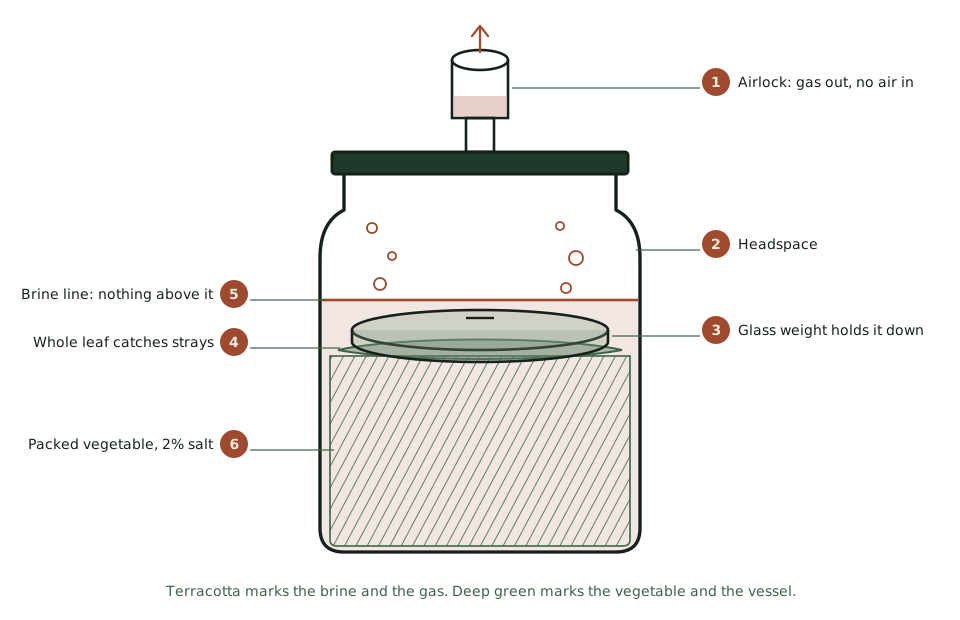
The method
Weigh the chillies, stems removed. Leave them whole, halve them, or roughly chop, depending on how much you want to handle them.
Add supporting ingredients. Garlic cloves are close to essential. Onion, carrot, or a little fruit add sweetness and body. Weigh everything together as one total.
Make a three percent brine. Thirty grams of salt per litre of water, weighed and dissolved. Chillies are firm and benefit from the higher salt, which keeps them crisp during the ferment.
Pack the jar and cover with brine. Chillies float persistently, more than almost anything else, so a weight is not optional here.
Weight, fit an airlock or plan to burp, and leave at room temperature. a fermentation kit with airlock lids and glass weights covers the lid, airlock, and weight together.
One to three weeks. Bubbling starts around day two or three. It is usable at one week and better at two or three.
Blend when it tastes right. Chillies, garlic, and enough of the brine to get the consistency you want.
Ten minutes of work at each end and two weeks of waiting in between.
Choosing chillies
Almost anything works, and the choice sets both heat and character.
Jalapeño and serrano. Moderate heat, green and vegetal. The most forgiving starting point and the easiest to eat a lot of.
Fresno and red jalapeño. Ripe, sweeter, and they give the sauce a proper red colour rather than a murky green.
Cayenne and thai. Considerably hotter, thin walled, and they blend smoothly.
Habanero and scotch bonnet. Very hot with a distinctive fruity note that fermentation amplifies beautifully. Use gloves and be serious about it.
Mixed bags. Genuinely good. A mix of ripe and unripe, hot and mild, produces more complexity than a single variety.
Red ripe chillies give better colour and more sweetness than green ones. A batch that is mostly red with a few green is a good balance.
Buy when they are cheap and in season. Chillies are one of the produce items with the widest seasonal price swing, and a large bag in late summer costs a fraction of a small packet in February.
What to add
Garlic, in quantity. Whole peeled cloves. It ferments alongside the chilli, mellows completely, and blends into the sauce. A whole head per jar is not excessive.
Onion or shallot adds sweetness and body.
Carrot is the traditional addition in several Caribbean styles and gives the sauce colour and a rounder texture.
Fruit. Mango, pineapple, or peach. Adds sweetness and sugars that feed the ferment. Use sparingly, since fruit ferments faster than chilli and can go soft.
Aromatics. Ginger, turmeric root, coriander seed, cumin, or a bay leaf.
Do not add vinegar before fermenting. Acetic acid inhibits the bacteria you are relying on. Vinegar goes in after, if at all.
The blend
This is where the sauce takes its final form and where most of the decisions are.
Consistency. Start by blending the solids with a small amount of the brine and add more until you reach what you want. It is easy to thin and impossible to thicken.
Strain or not. Blending and leaving it produces a thicker, textured sauce with seeds and skin. Straining through a sieve produces a smooth pourable sauce and discards perhaps a third of the volume. Neither is more correct. Strained sauces look more professional; unstrained sauces waste nothing.
Vinegar, optionally, at this point. A splash brightens the flavour and lowers the pH further. Many commercial fermented sauces do this. If your sauce tastes flat, vinegar is usually what it wants.
Sweetness. A little honey or sugar balances a very hot batch. Taste first.
Salt. Usually unnecessary, since the brine carried it. Taste before adding.
Do not cook it if you want to keep the live cultures. Heat destroys them and also thickens the sauce, which some recipes want. Both approaches are valid and they are different products.
Ferment first or blend first
There are two orders of operation and they give different results, which is worth knowing before you commit a batch.
Ferment whole, then blend. The approach on this page. Whole or halved chillies sit in brine, ferment for weeks, and get blended at the end. The chillies stay firm throughout, the brine stays clear, and the ferment is easy to weight and monitor.
Blend first, then ferment as a mash. Chillies and garlic blended with salt at around two to three percent by weight, packed into a jar, and fermented as a thick paste. Faster, more vigorous, and it produces a deeper flavour because every surface is exposed.
The mash approach has two drawbacks. It bubbles very energetically and needs real headspace and daily attention in the first week. And it is impossible to see what is happening inside, so surface checks are the only indicator.
A third option splits the difference: roughly chop rather than blend, ferment for two weeks, then blend. Faster than whole chillies and easier to manage than a full mash.
Whole chillies are the right starting point. They are forgiving, easy to weight, and the visible brine makes it obvious when something has floated. Move to a mash once the method is familiar and you want more intensity.
Storage and the pH question
Fermented hot sauce keeps well and there is one honest point to make about it.
Refrigerated, it keeps for months. The acidity from fermentation plus refrigeration is a robust combination, and the flavour continues developing slowly.
Shelf stable storage is a different matter. Commercial sauces are stable at room temperature because their pH is measured and controlled, usually below 3.5 or so, often with added vinegar. A home ferment without measurement should be treated as a refrigerated product.
If you want to bottle for gifts or keep bottles in a cupboard, that is the point at which a pH meter stops being unnecessary and starts being the right tool, and it is worth reading current guidance on acidified foods for your country rather than estimating.
For a bottle in your own refrigerator, none of this applies. Ferment it, blend it, keep it cold, use it within a few months.
Bottles will build pressure if the ferment is still active. Burp them for the first week, or refrigerate immediately after blending.
RUN THE NUMBERS
Illustrative figures. Times vary with temperature and chilli variety.
| Detail | |
|---|---|
| Chillies | 500 g, stems removed |
| Garlic | 1 whole head, peeled |
| Optional | Onion, carrot, or a little fruit |
| Brine | 3 percent, 30 g salt per litre |
| Vessel | 1 litre wide mouth jar, weighted |
| Temperature | 18 to 22 C |
| Ferment | 1 to 3 weeks |
| Yield | Roughly 400 to 500 ml blended |
| Keeps | Several months refrigerated |
A large bag of chillies bought in season produces several bottles for very little, and the equipment is the same jar and weight used for everything else in this hub.
Aging and blending later
A fermented chilli mash does not have to be blended the moment it is sour, and leaving it longer opens up a genuinely different product.
Chillies left in brine for two or three months continue to develop. The heat mellows slightly, the flavour deepens, and the sourness rounds out. Several commercial sauces are built on ferments aged far longer than the two weeks most home recipes suggest.
The requirement is that everything stays submerged and the jar is checked periodically, exactly as with any long ferment. A weight and an airlock make a three month ferment no more work than a two week one.
Blending in stages is also worth trying. Blend half the batch at three weeks and leave the rest, then compare. The difference is instructive and it costs nothing beyond a second bottle.
Aged mash also concentrates as some liquid evaporates or is absorbed, which means the blended result is thicker and needs less straining.
If you are keeping a ferment for months rather than weeks, top up the brine when the level drops, always at the same percentage rather than with plain water.
WHAT GOES WRONG
Chillies floating and moulding. They are extremely buoyant. Use a proper weight and a leaf or cabbage piece over the top.
No bubbling. Too cold, or too much salt. Move somewhere warmer and wait.
A soft, mushy ferment. Fruit added in quantity, or fermented too warm. Reduce the fruit and find a cooler spot.
Sauce separates in the bottle. Normal for an unstrained sauce. Shake it. A blender run at high speed for longer emulsifies better.
Bottle fizzing or pushing its cap. Still fermenting. Burp it and refrigerate.
Flat flavour. Usually wants acid. A splash of vinegar after blending fixes it.
Chilli burn on hands and eyes. Gloves, every time, and be aware that capsaicin lingers on surfaces and blender parts.
DO THIS NOW
- Buy chillies when they are cheap, aiming for mostly ripe red with a few green for complexity.
- Weigh chillies and a whole head of garlic together, and cover with a three percent brine.
- Weight them down firmly, since chillies float more than anything else in this hub.
- Taste at one week, ferment to two or three if you want more depth, then blend with enough brine to reach the consistency you like.
Next
The brine strengths and weighting techniques here are shared with every whole vegetable ferment. Brine pickles that stay crunchy covers both in more detail.
Floating chillies are the most common cause of surface growth in this recipe. Reading a fermenting jar covers telling harmless film from mould.